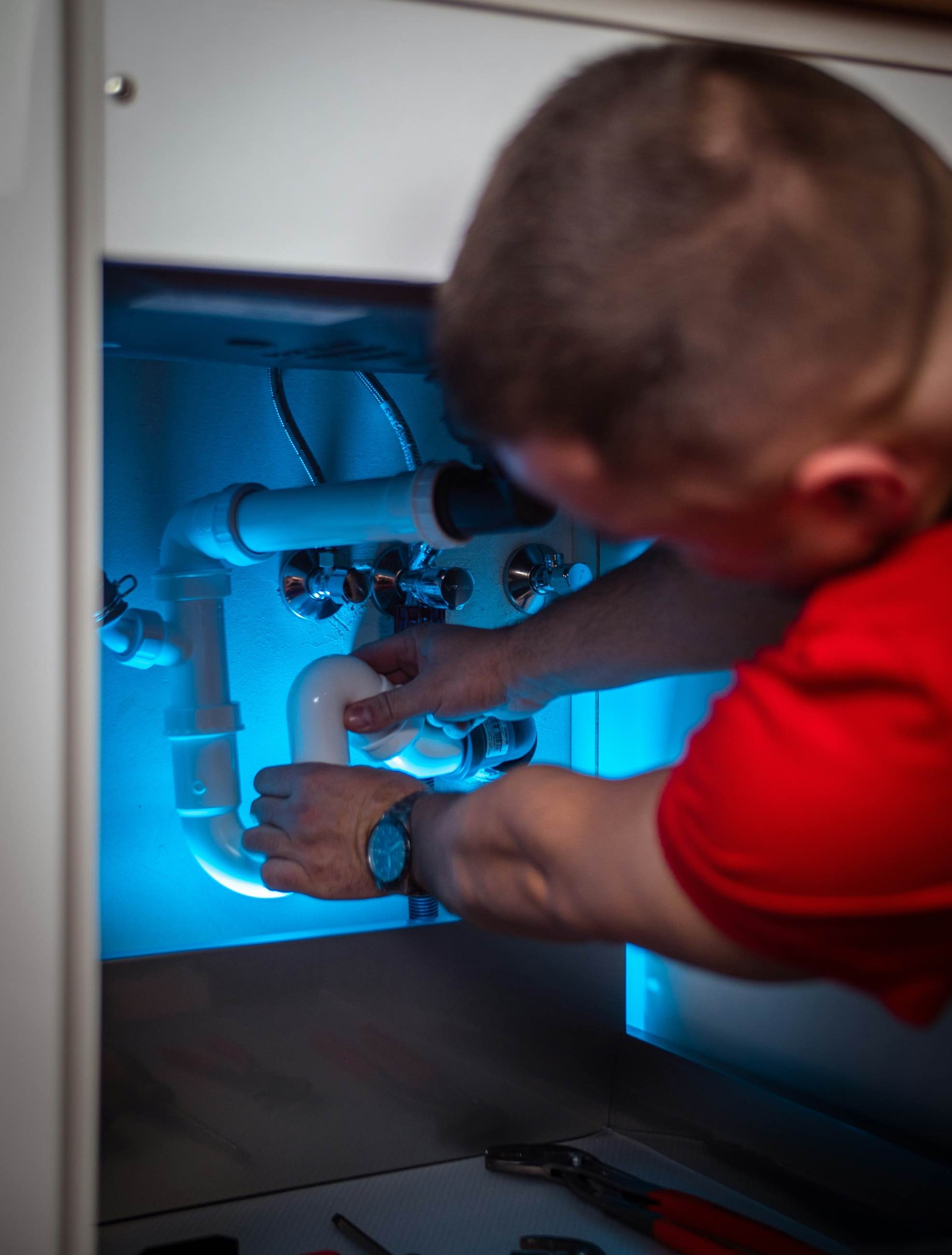
Residential plumbing · Metro Detroit
Residential Plumbing Repair, Diagnosed Properly
Leaks, running toilets, low pressure and tired valves — traced to the cause and put right with care.
Overview
Plumbing Repair, Explained.
Most plumbing problems announce themselves quietly: a toilet that refills on its own at night, a faint stain on a ceiling below a bath, a shower that never quite reaches full pressure. Each has a cause, and the cause is not always where the symptom appears. A repair visit begins by finding that cause, so the work that follows addresses the problem rather than the place it happened to show. A single dripping faucet or a toilet that will not stop running is a perfectly good reason to call; small repairs get the same careful visit as larger ones.
Whether the house is a first condo or a home you have spent years updating, that diagnosis matters twice over. Opening a wall or lifting a stone threshold should be a last resort, chosen deliberately. We look first at what can be learned from the fixture, the valve, the meter and the access panels already in place, and we explain what we have found, and what it would take to correct it, before any work begins.
The visit
Plumbing Repair: What the Visit Involves
- 01
Listen and look
We start with what you have noticed and when: which fixture, how often, whether it changes with time of day. That history often narrows the search before a single tool is lifted.
- 02
Trace the cause
Supply lines, valves, cartridges, fill valves and visible joints are checked in turn. Where a leak is suspected but hidden, the meter and existing access points are used to confirm it before anything is opened.
- 03
Explain the options
You hear what is wrong, what the repair involves and whether a related part is close to the end of its service. Options and their costs are set out plainly, and the decision is yours.
- 04
Repair and confirm
The work is carried out with surrounding finishes protected, then tested under normal pressure and use. We show you what was replaced and leave the area as it was found.
Why does my toilet run for a few seconds by itself every so often?
That brief refill, sometimes called phantom flushing, usually means water is slowly leaking from the tank into the bowl, most often past a worn flapper or a misaligned seal. The fill valve tops the tank back up when the level drops. It wastes water quietly and is generally a straightforward repair, though on some toilets the flush valve itself, rather than the flapper, is the part that needs replacing.
Is it worth fixing a slow drip, or can it wait?
A drip at a faucet spout is rarely urgent, but it rarely improves. Over time it can etch stone, stain finishes and wear the valve seat further, which can turn a cartridge replacement into a larger repair. A drip from a supply connection or valve body under a sink is different: it can damage cabinetry unseen, and it is worth having looked at promptly.
Our water pressure seems lower than it used to be. What causes that?
If one fixture is affected, the cause is often local: a clogged aerator, a partially closed stop or a cartridge restricted by sediment. If the whole house is affected, the possibilities widen to a failing pressure-reducing valve, a partially closed main valve, or, in older homes, mineral buildup inside galvanized steel pipe. A pressure reading at a hose bib is a useful first step in telling these apart.
What is the banging sound when a faucet or the washing machine shuts off?
That is usually water hammer: the shock of fast-moving water stopping suddenly against a closing valve. Quick-closing valves in washing machines, dishwashers and some single-handle faucets are common triggers. It is more than a noise, as repeated shocks stress joints and connections. Depending on the cause, the answer may be water hammer arrestors near the offending appliance, securing loose pipe, or bringing high house pressure down.
Related services
Often Considered Alongside
-
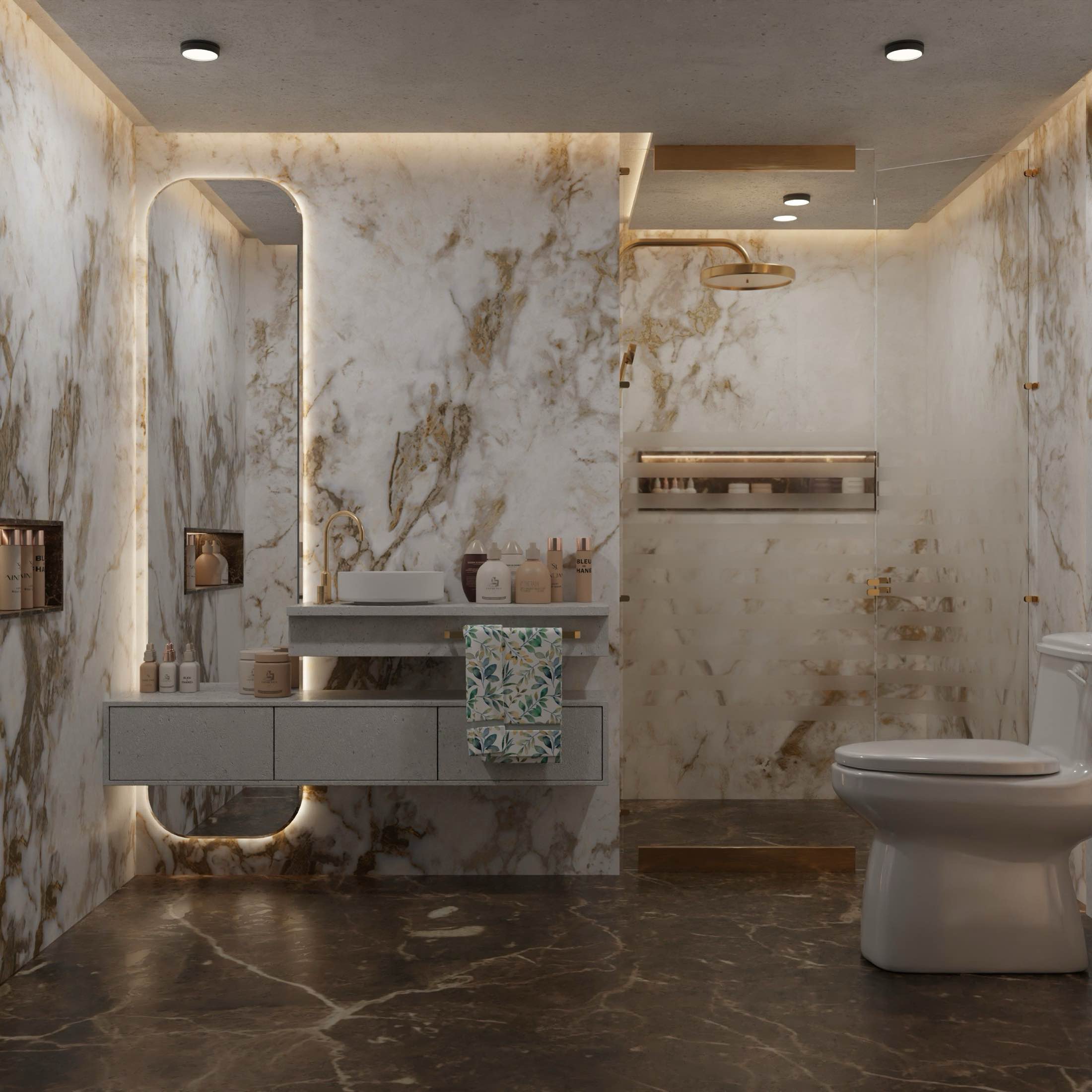
Fixture Installation
Faucets, shower systems, tubs and toilets installed with care, from a simple swap to a piece chosen for a remodel. Explore -
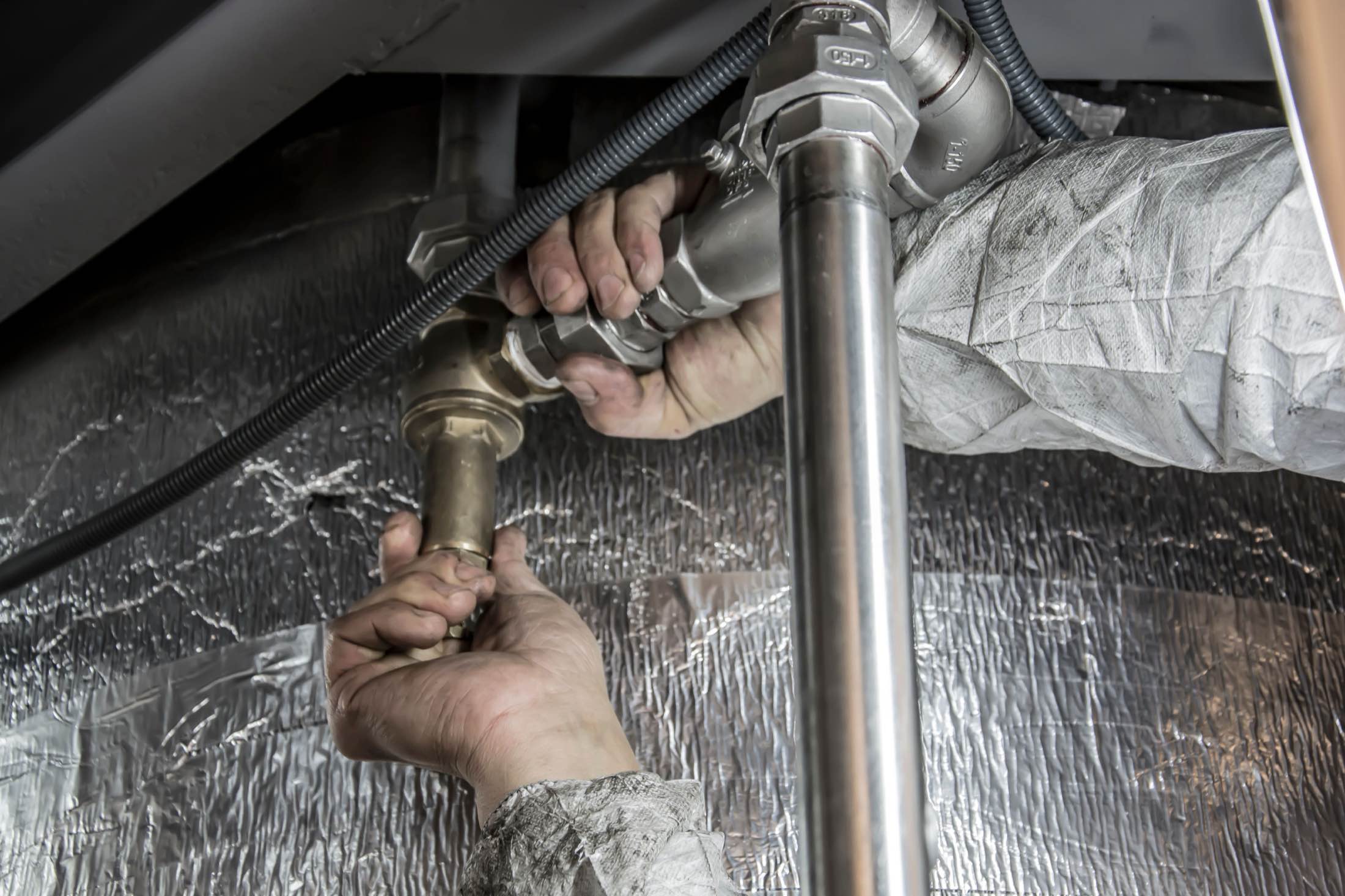
Residential Repiping
Planned replacement of aging supply lines, with access and wall restoration coordinated from the start. Explore -
Water Heater Installation & Replacement
Conventional tank water heaters repaired or replaced, sized to how the household actually uses hot water. Explore
Service areas
Plumbing Repair Across Our Priority Communities
Request a visit
Ask About Plumbing Repair.
Tell us a little about what is happening and when suits you — a running toilet or a water heater that quit is as welcome as a remodel. We will be in touch to arrange a visit.
- PhonePhone line coming soon
- ServingResidential homes across Metro Detroit